All informations
Inquiry
Please contact via Chat App by pressing the button below.
If you cannnot use all of these application, please contact
kyoto.ocean@gmail.com
Please contact via Chat App by pressing the button below.
If you cannnot use all of these application, please contact
kyoto.ocean@gmail.com
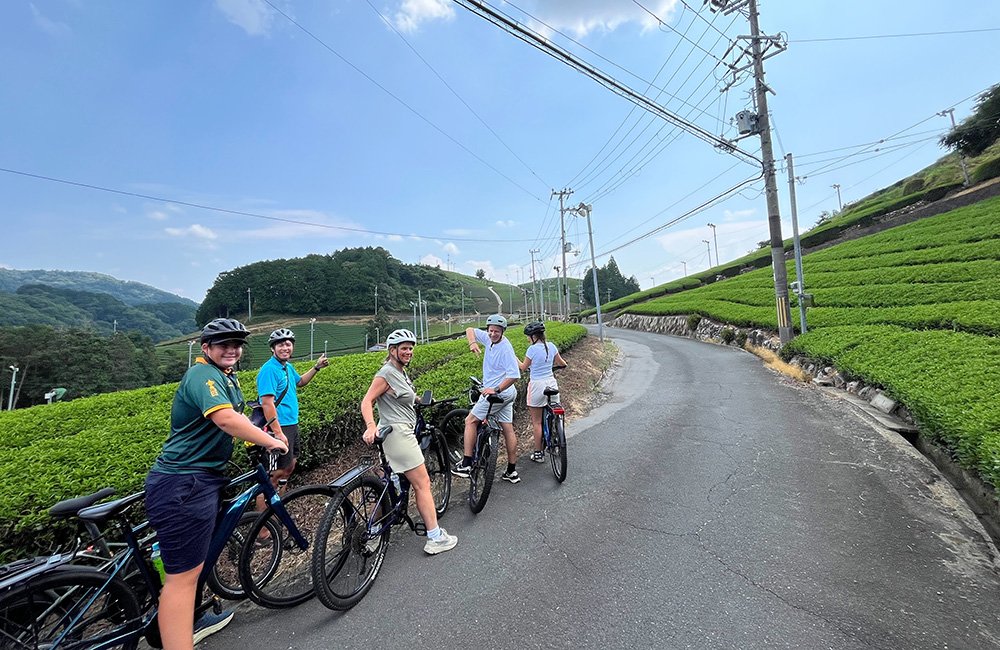
↑This is a tea plantation in Wazuka Town, a region that produces some of the finest Japanese tea in the country. As this is a full-day tour, the price differs from the others.
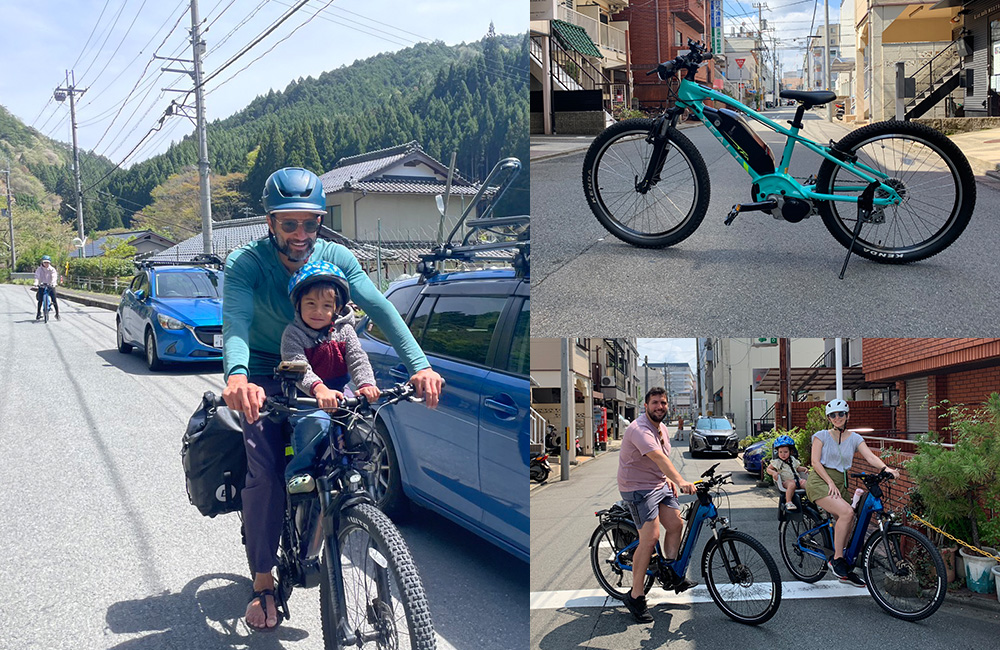
↑We can also install child-sized e-bikes, child seats, or “shotgun” style child seats. We also stock step-through e-bikes that are easy for women to ride.
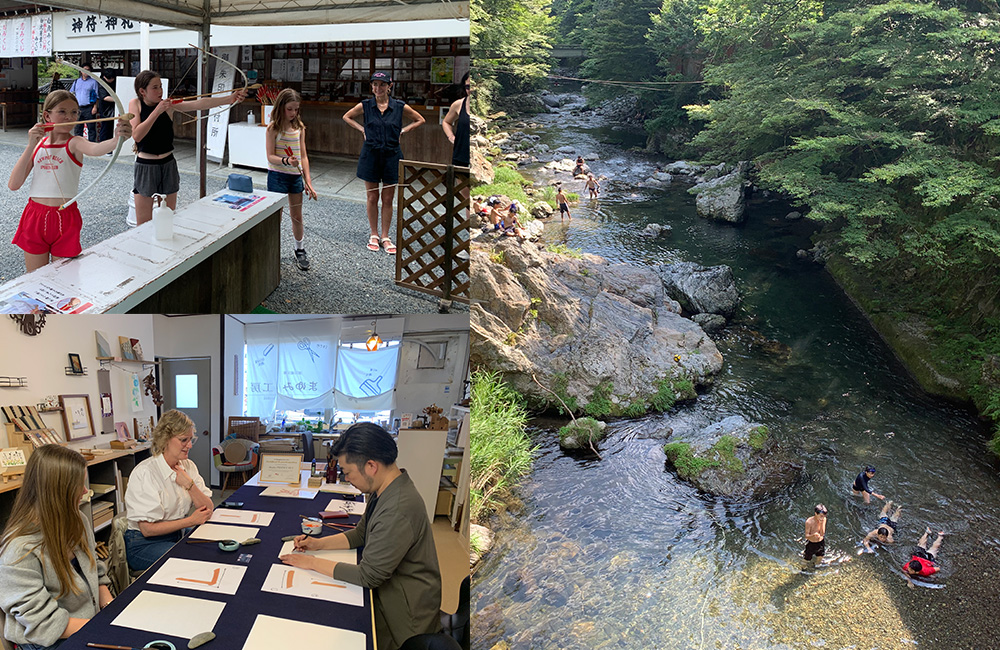
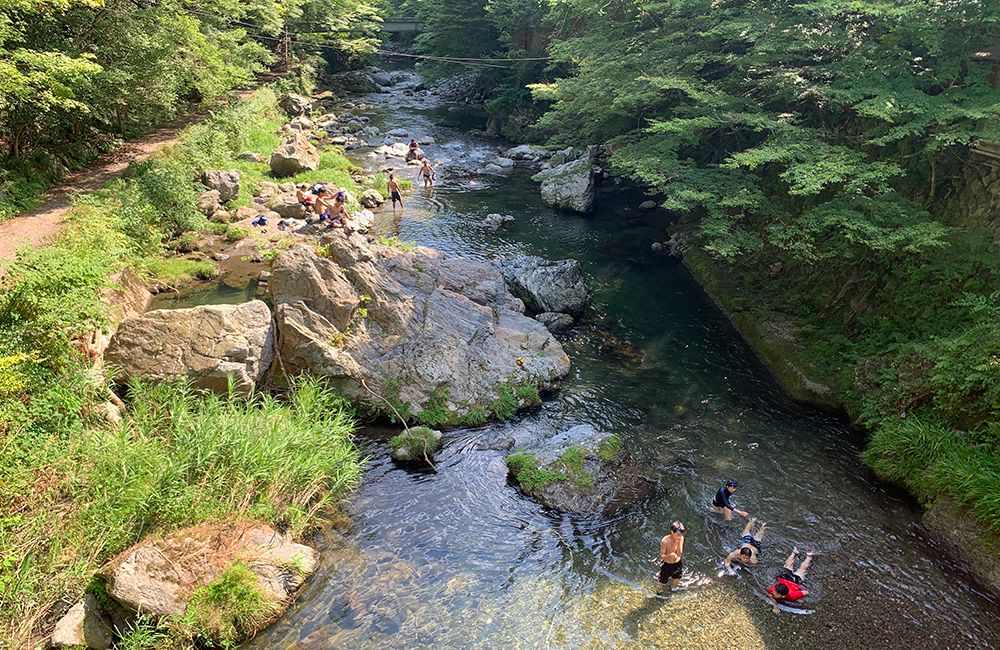
↑You can enjoy Japanese cultural experiences alongside your cycling tour. Summer activities—suitable for both children and adults—include playing in clear streams, trying your hand at Kyudo (Japanese archery) at a shrine, practicing calligraphy with a professional calligrapher, and experiencing a traditional tea ceremony unique to Kyoto. (Activity fees are not included.)
Please contact via Chat App by pressing the button below.
If you cannnot use all of these application, please contact
kyoto.ocean@gmail.com
| Bike Tour Type *Price per person *Discounts are available depending on the hotel rank. |
Day 1 Tour, Day 2 Rental ¥70,000 |
Day 1 Tour, Day 2 Tour ¥93,000 |
|---|---|---|
| ・Accommodation reservations | ⚪︎ | ⚪︎ |
| ・Lunch arrangements | Day 1 only | Both days |
| ・Luggage TransportLuggage Transport | Day 1 only | Both days |
| ・E-Bike One-Way Rental | ⚪︎ | ⚪︎ |
*We can accommodate various requests, such as the number of nights, type of bicycle, and bicycle accessories, so please contact us via WhatsApp.
1 Day / Kyoto to Tango Peninsula
I will pick you up at your hotel and then help you choose the right size electric bike for your height at my store.
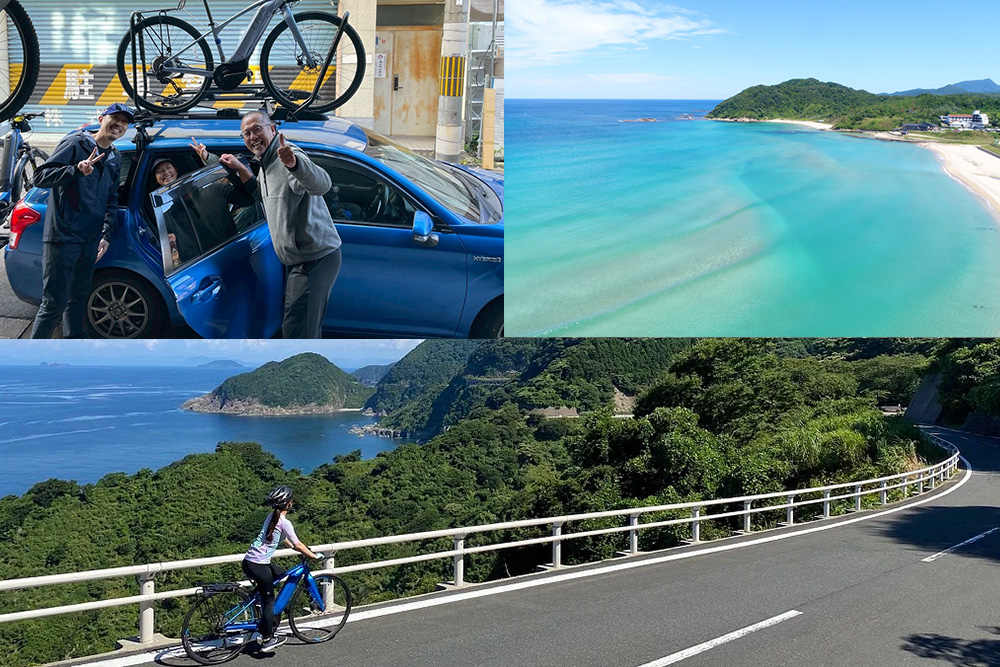
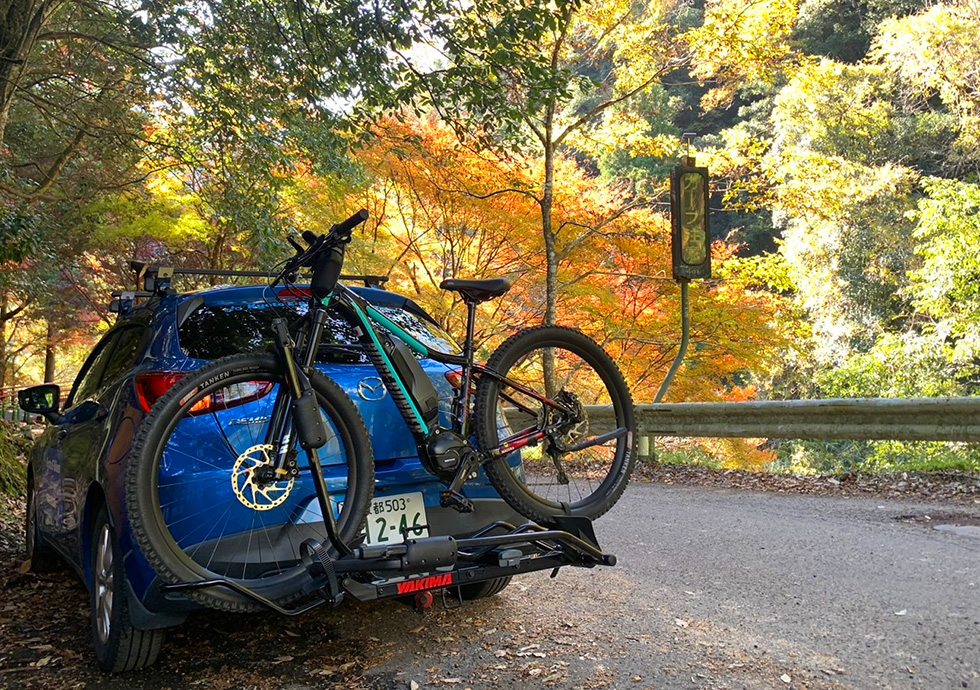
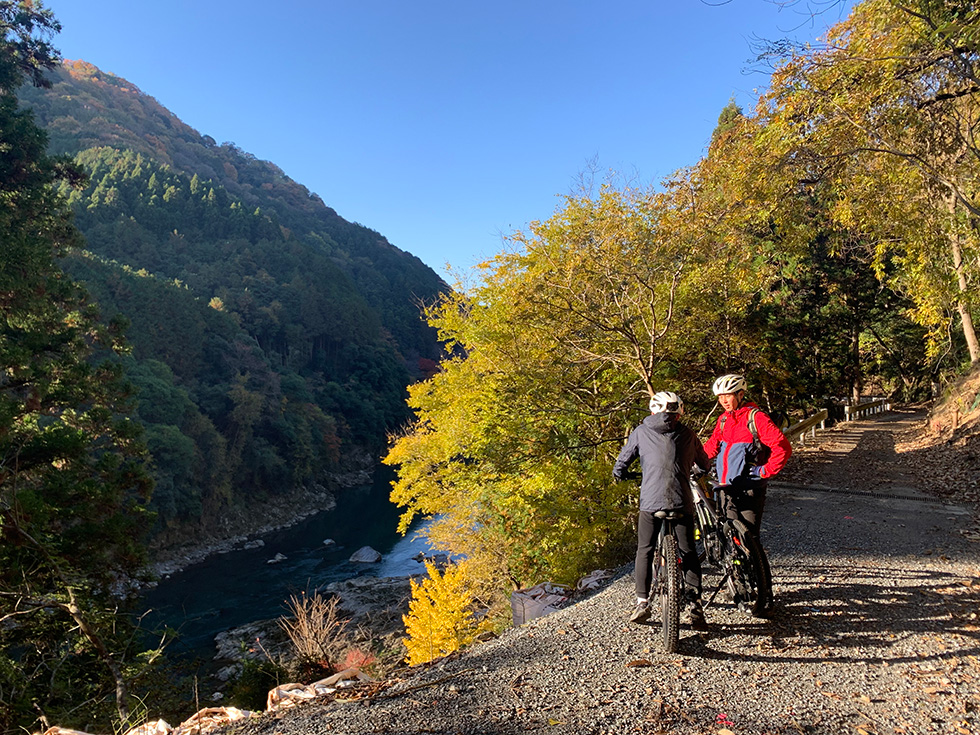
The shortest distance from Kyoto City to the Tango Peninsula is 120km. We will load your bikes into the car and drive to the Tango Peninsula with you. We will start cycling near the entrance to the Tango Peninsula. We will lead you to some hidden local cycling routes that we recommend. Your guide will guide you along the route depending on the weather and your physical condition.
2 Day / Tango Peninsula
On the second day, you will not be accompanied by a guide; you will only rent a bike. However, we will provide you with a digital map of the great cycling routes we recommend. You can drop off the bike at a designated location. There are various places to leave your luggage in front of the station.
If you would like to continue with a guided tour on the second day, this is available for an additional fee.
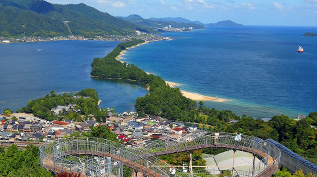
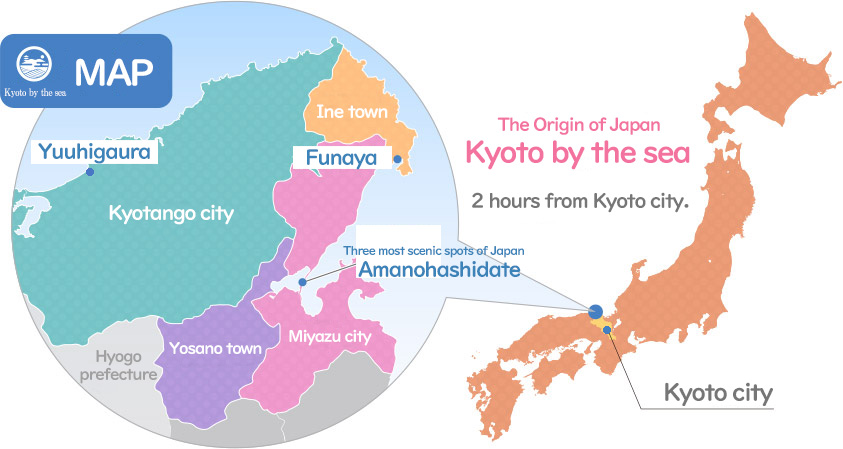
Where is the most beautiful place in Japan? Well, Japan has narrowed it down to three. Japan’s “Three Scenic Views” are comprised of Matsushima in Miyagi, Miyajima in Hiroshima, and Amanohashidate (here in Miyazu,Northern Kyoto).Amanohashidate is an iconic land bridge that straddles the Aso inland sea and Miyazu Bay which connects to the Sea of Japan. The land bridge itself has thousands of pine trees of all different varieties with beaches on both sides spanning 3.6K. From one of the scenic overlooks, you can get a unique perspective of the scene by looking upside-down between your legs. The sea and bay reflect the sky and the pine forest turns into a winding green dragon crossing the heavens.
Japan’s Most Beautiful Village built right on the water
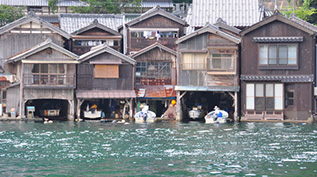
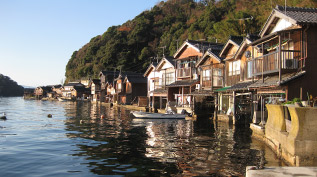
The village of Ine is like nowhere else in the world, and that’s not hyperbole. It has been recognized to be among Japan’s Most Beautiful Villages. Without much room to build between the mountains and sea, the villagers created this village right along the waters of Ine Bay (Northern Kyoto), one of UNESCO’s World’s Most Beautiful Bays, and the 230 “funaya” (boat houses) that line the bay trace their origins back to the Edo period. ”
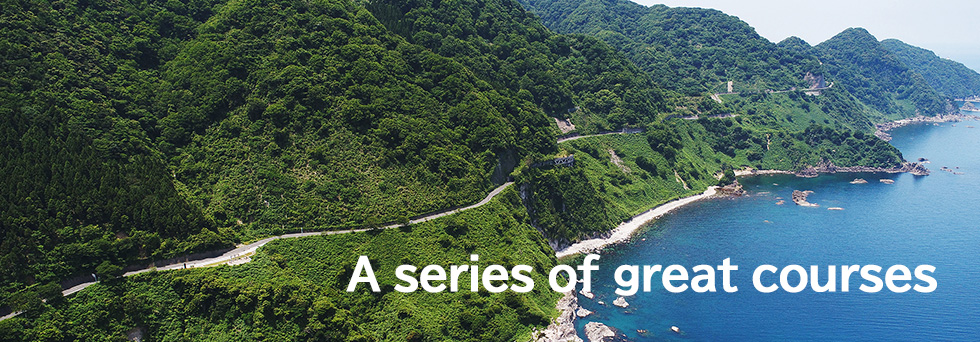
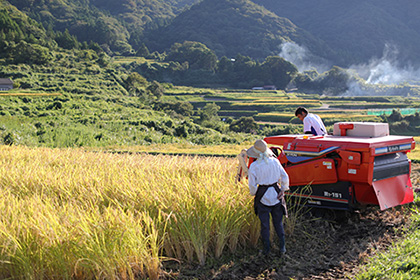
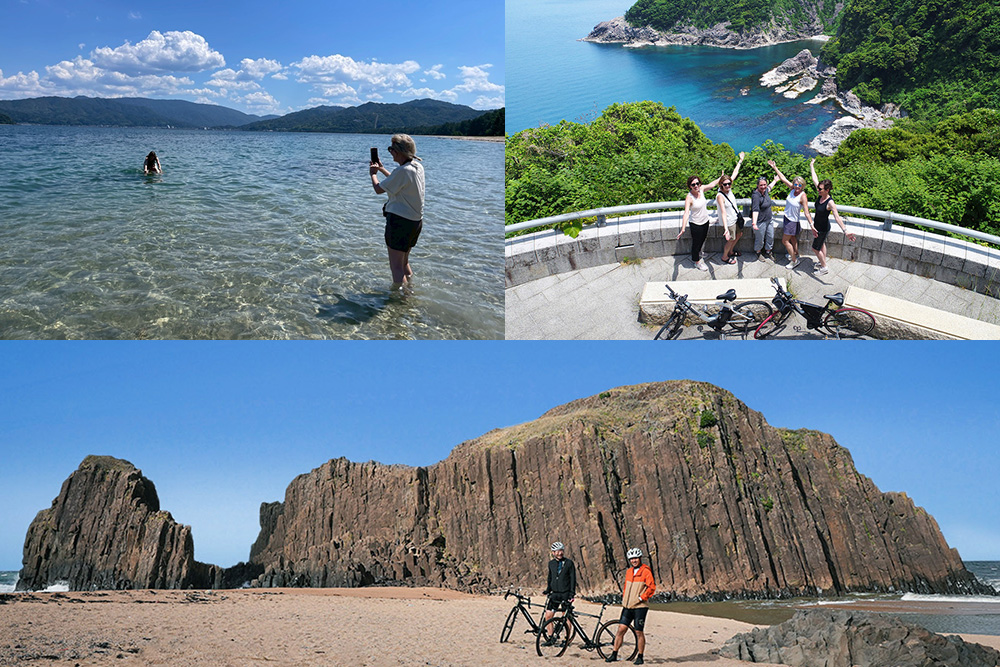
The dynamic scenery of the Tango Peninsula amazes cyclists.
This area is thriving with fishing, rice cultivation,
sake brewing, vegetable farming, and weaving called Tango chirimen, which is used to make kimono fabric. You’ll get a glimpse of their way of life while cycling, which will be a special highlight for you.

The Tango Peninsula is a mecca for fishing
The Tango Peninsula has a varied topography and is home to a wide variety of fish throughout the seasons. There are many local fishing enthusiasts, and you can see anglers there early in the morning and in the evenings and at night. Fishing equipment and cooler box rentals are also available. Japan is home to some of the world’s most famous fishing tackle companies, such as Daiwa and Shimano, and we can provide information to fishing enthusiasts about local fishing tackle shops. You can also cook and eat the fish you catch.

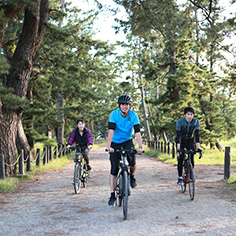
In fact, you can cycle through Amanohashidate. The trail runs through a sandbar with a width of about 20 to 170 meters and a total length of about 3.6 km, along a road lined with about 6,700 pine trees.
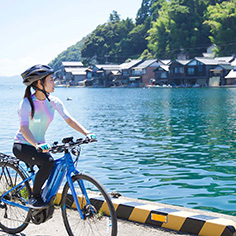
Ine Funaya is an area of 230 unique houses lined up along Ine Bay for 5km. This lifestyle that is coexistent with the sea is rare even in Japan.
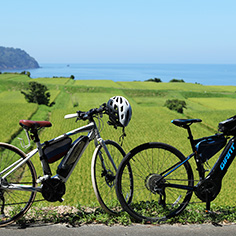
Kyoto by the Sea has representative rice terraces such as Sodeshi Rice Terraces and Ni Rice Terraces.
In April, you can see rice fields being filled with water before planting, and in September, when harvest time begins, you can see the golden rice fields.
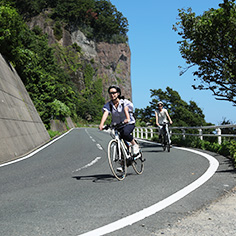
Kamaya Coast, with its pleasant ups and downs, is a cycling spot that represents the Tango Peninsula. It is also popular with Japanese cyclists because of its scenic views of sheer cliffs.
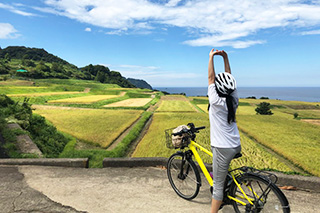
・Kyoto to Tango peninsula (240km) – The Origin of Japan cycling tour (Hidden gem) – / 4 Nights 5 Days
More details about the tour
Please contact via Chat App by pressing the button below.
If you cannnot use all of these application, please contact
kyoto.ocean@gmail.com
Please contact via Chat App by pressing the button below.
If you cannnot use all of these application, please contact
kyoto.ocean@gmail.com
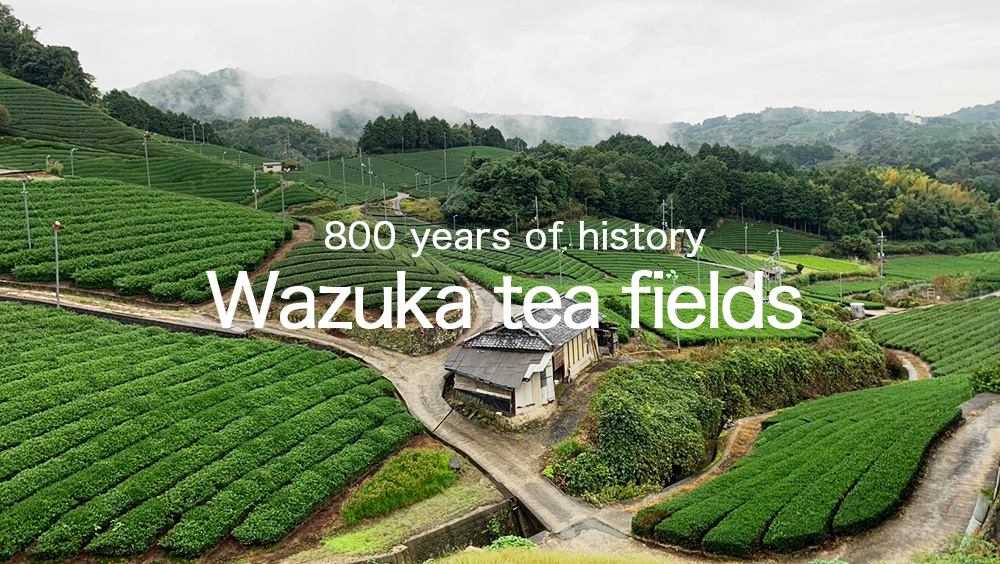
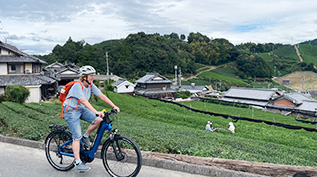
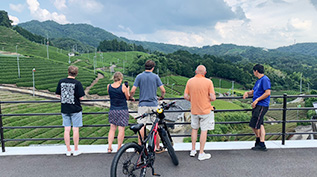
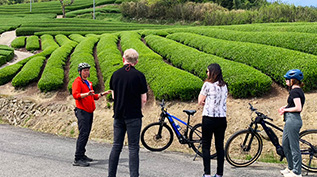
Tea fields are often grown on mountain slopes, and the course around Wazuka is somewhat steep. All bicycles used on the tour are electric, so you can ride comfortably. If the climb becomes too difficult, you can ride in a support car and climb the hill together.
As this is an intermediate point, lunch is often taken here on this cycling tour.
The capital was moved to Nara in 710 AD (Fujiwara-kyo from 694 AD), and then to Kyoto in 794 AD. Counting from Kyoto to Nara, Nara has a history of about 1,300 years. The ancient roads connecting Nara and Kyoto still remain. You will cycle along the same roads that samurai, merchants, and commoners traveled on horseback and on foot.
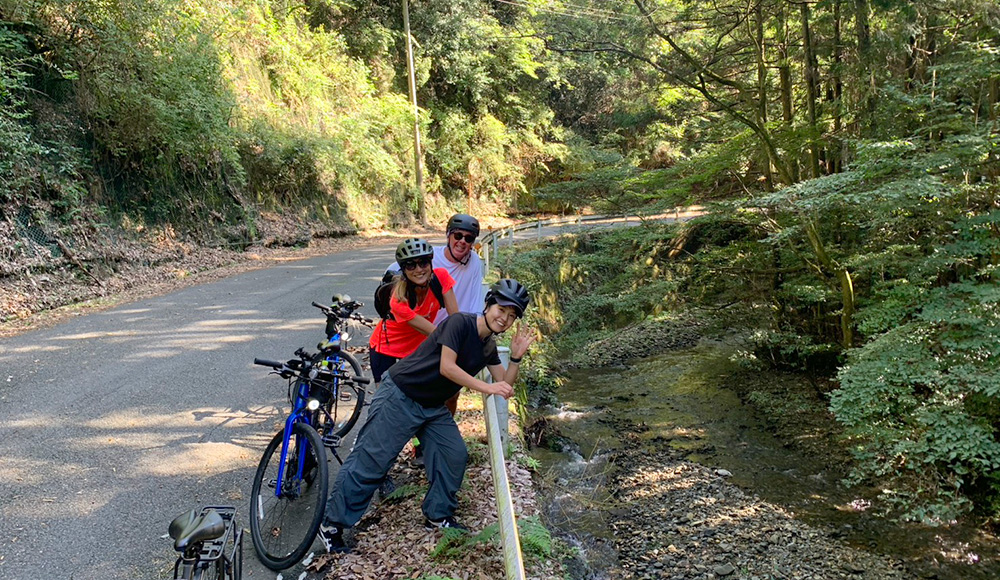
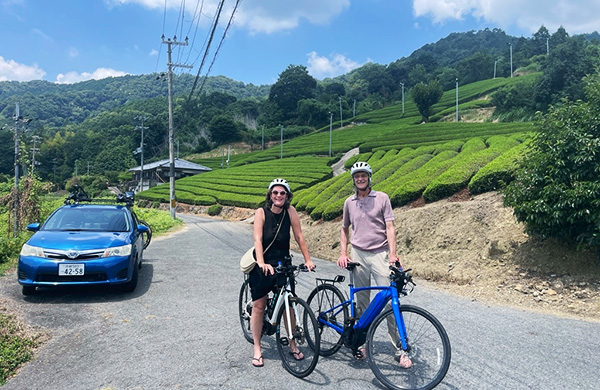
This tour will be accompanied by a support car. We will provide directions, emergency response, and transport your luggage to your accommodation. This is a cycling tour recommended for checking out and checking in of accommodations from Nara to Kyoto or from Kyoto to Nara.
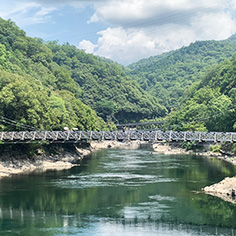
This cycling tour connects two ancient capitals, so there are many things to see. It is a wonderful course that includes temples where tea has its roots, the Uji River and dams, the tea fields of Wazuka, and the Yamato Kaido (ancient road) in Nara.
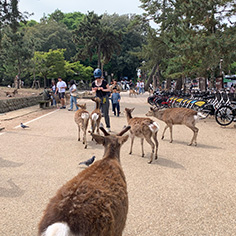
There are many deer in Nara Park. You can feed them sweet treats called deer crackers. One of the pleasures is seeing and touching the deer, but if there are guests who don’t like crowds and they request it, we will let them pass. Generally, the main guide will make a decision based on the crowd situation of the season.
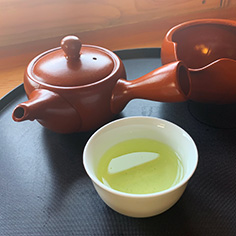
Japan’s tea culture, which has a history of 800 years, began with the noble aristocracy, spread to Zen monks, powerful samurai, ordinary samurai, and the common people. You can learn about Japanese tea culture through this tour.
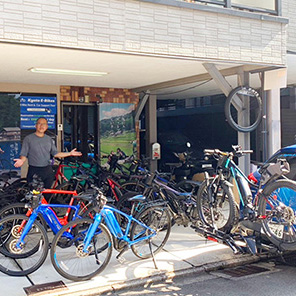
We have high-quality electric bicycles available for comfortable cycling from Nara to Kyoto or from Kyoto to Nara. We also have a wide selection of large electric bicycles (touring and mountain types) that are comfortable for taller customers.
Google Map
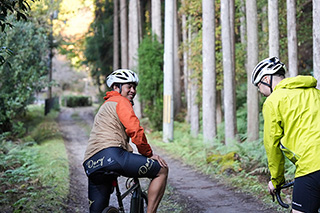
All of our cycling tours are created by course designer Kazuki Masuda, a pioneer in electric bicycle tour design in Japan.
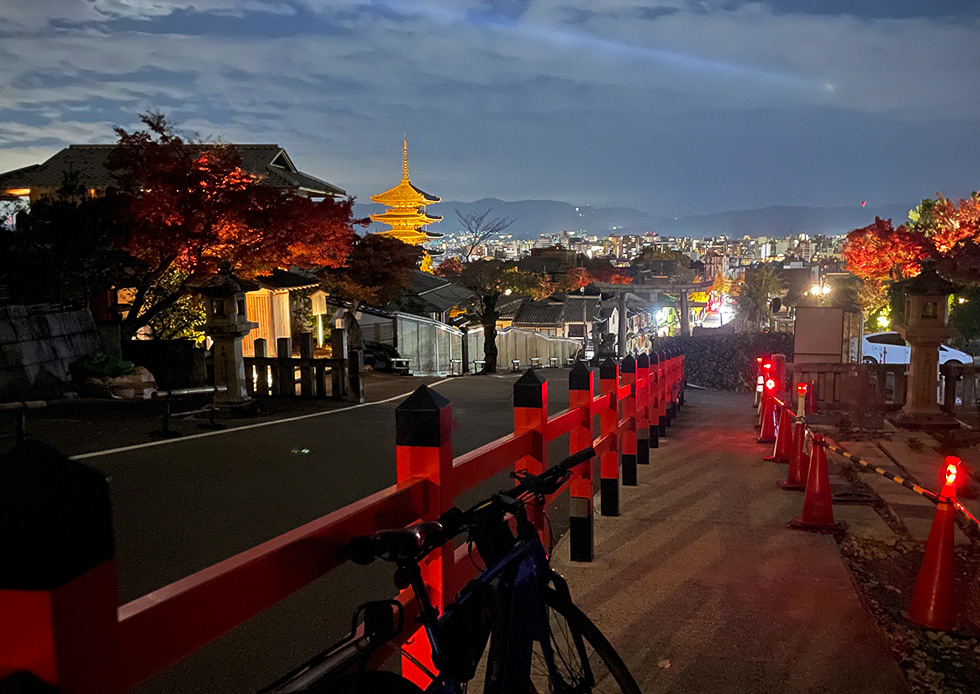
Please contact via Chat App by pressing the button below.
If you cannnot use all of these application, please contact
kyoto.ocean@gmail.com
Please contact via Chat App by pressing the button below.
If you cannnot use all of these application, please contact
kyoto.ocean@gmail.com

Shop/Kyoto E-Bikes Rental & Tours Saiin
31-3 Saiinnishitakadachō Kyoto,Ukyo
Please contact via Chat App by pressing the button below.
・WhatsApp
・LINE

 Special bike tours